
Have you ever wondered how some businesses seem to get more done with fewer people? Or why some teams can work on exciting projects instead of drowning in boring tasks? The answer often lies in technology, specifically artificial intelligence (AI) in workplace technology. Imagine a friendly robot helping employees by handling routine jobs, like sorting emails or scheduling meetings. That’s what AI can do for modern businesses!
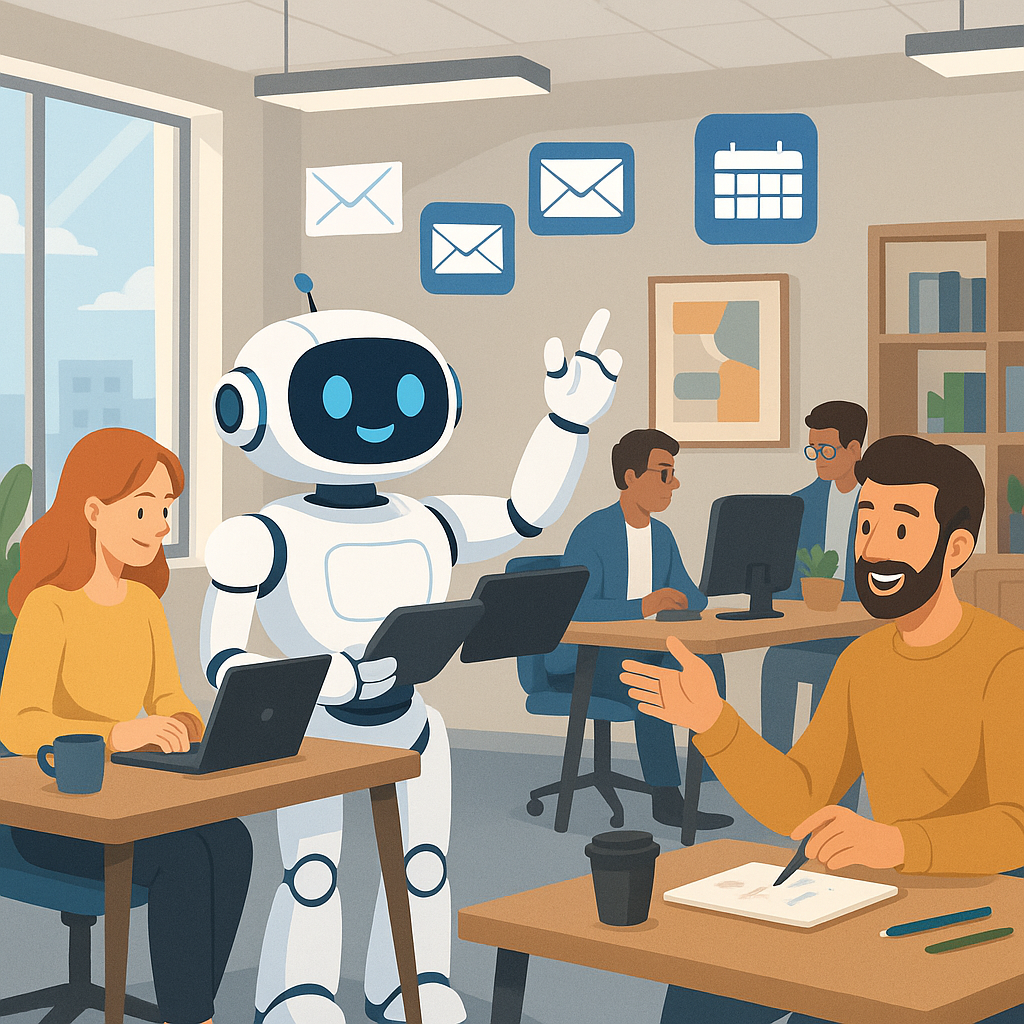
As technology gets better, AI is transforming how companies operate and helping them be more efficient and productive. In this blog, we’ll explore how AI can enhance workplace technology and improve both employee satisfaction and overall productivity. Whether you’re a small business owner or a tech leader, you'll find valuable insights here. Let's dive in!
Understanding the Basics of AI
Just like how we learn from experience, AI learns from data. This means it can help with many tasks without needing direct instructions each time. For example, AI can handle repetitive jobs such as data entry or customer inquiries. This kind of technology is important for businesses today because it frees up employees to focus on more creative and strategic tasks.
You may have heard terms like "machine learning" or "natural language processing." These are parts of AI that help it understand and process information. For instance, if you have ever used a virtual assistant like Siri or Alexa, you’ve interacted with AI! By letting AI take on simple tasks, businesses can improve efficiency and allow employees to spend time on more valuable work.
Why is AI Important in the Workplace?
AI enhances workplace productivity in several ways. Imagine you’re at a bakery, and instead of baking bread, you spend all your time organizing shelves. That wouldn't be very fun or productive, right? In the same way, businesses want their employees to focus on big ideas and improvements rather than getting stuck on routine tasks. Here are a few reasons why AI matters:
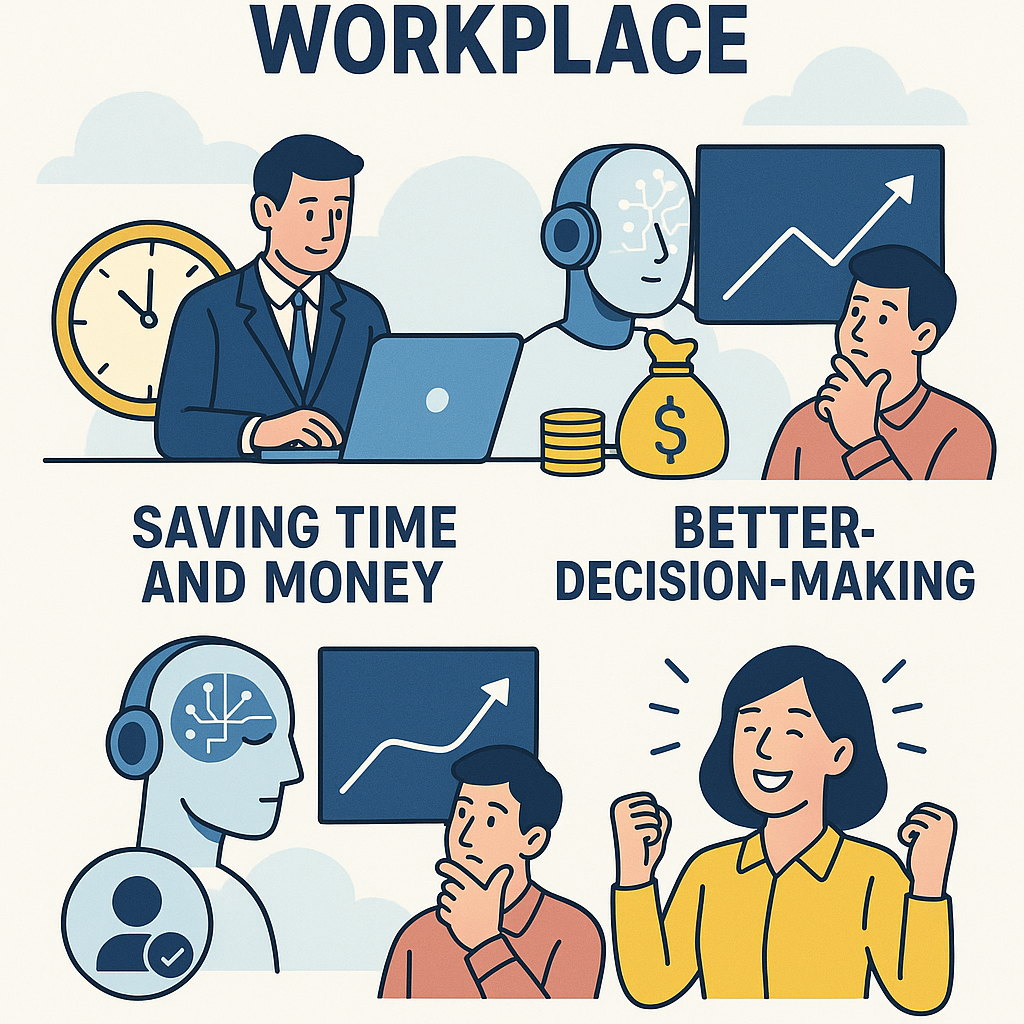
1. Saving Time and Money
Businesses that use AI save both time and money. Companies can automate tasks that once took hours to complete. Think about the last time you filled out a long form or waited on hold to ask a simple question. By automating these tasks, businesses can reduce wait times, save money, and improve customer satisfaction. You can learn more about the impact of reducing time on operations in our SEO Strategy Guide.
When employees can focus on creative projects rather than mundane tasks, they tend to feel happier and more engaged in their work. Using AI can lead to increased job satisfaction and a positive workplace culture.
2. Better Decision-Making
AI helps businesses make better, data-driven decisions. With its ability to quickly analyze large amounts of data, AI can spot trends or issues that might go unnoticed by humans. For example, if a restaurant uses AI to keep track of customer orders, it could identify popular dishes that are selling out often. This way, the restaurant can order the right ingredients and plan promotions to boost sales! For insights on ROI from data-driven marketing decisions, check out our blog on Digital Marketing ROI.
By making informed decisions quickly, businesses can stay ahead of their competition and respond to market changes effectively.
3. Increasing Employee Engagement
AI tools can enhance employee engagement by removing busywork. Imagine a world where your computer could organize meetings for you, respond to simple questions, and provide personalized support without you lifting a finger. Tools like AI chatbots can do just that. By improving communication and collaboration within teams, AI fosters a better work environment where everyone feels connected.
When employees feel supported and engaged, they are more likely to stay with the company longer. This leads to a stable and happy workforce. For more on how technology influences employee satisfaction, consider reading Marketing Trends for 2025.
Examples of AI in Action
Let’s look at some real-world examples of how businesses are successfully using AI in their workplaces.
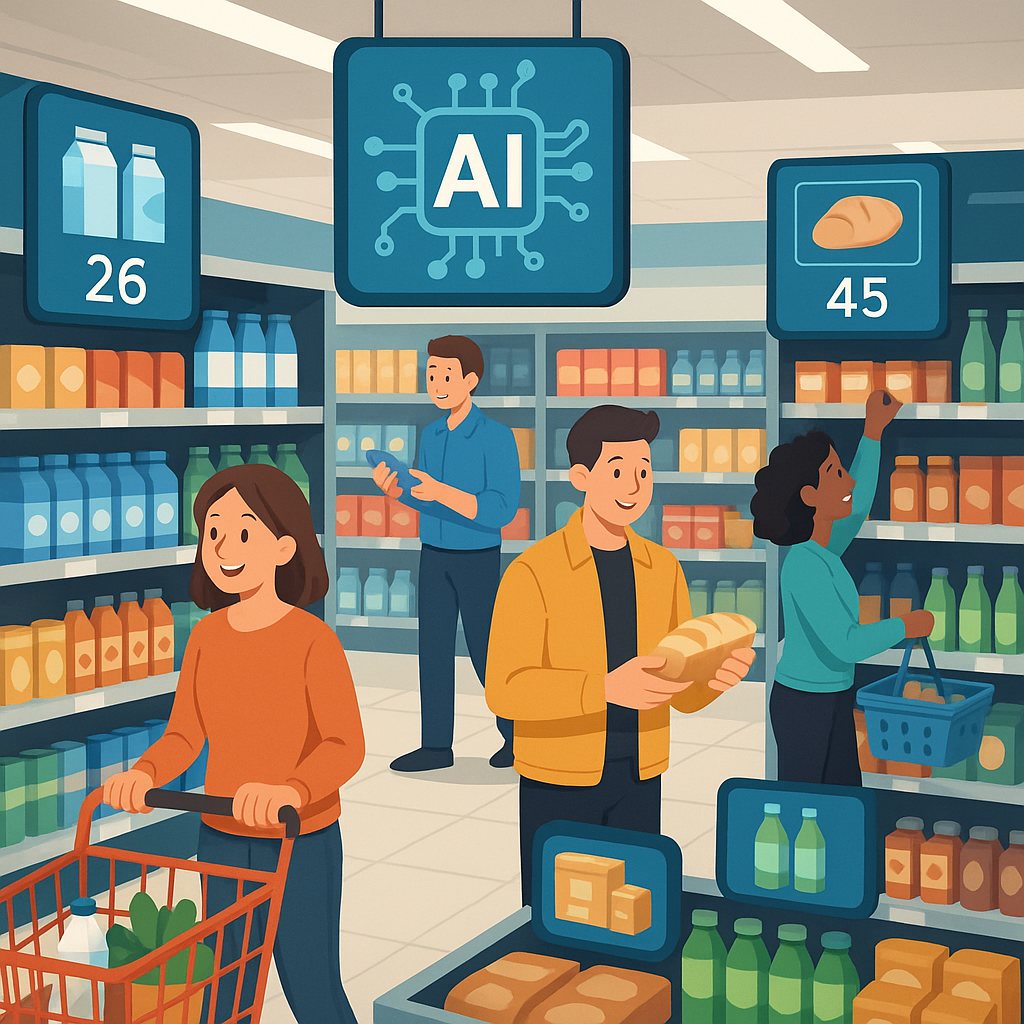
Supermarkets Using AI for Better Inventory Management
Many supermarkets are employing AI to manage their stock levels more efficiently. With technology that predicts which items will sell the fastest, stores can keep everything fresh and stocked. Imagine walking into a grocery store where your favorite snacks are always on the shelf because AI ensured they never ran out!
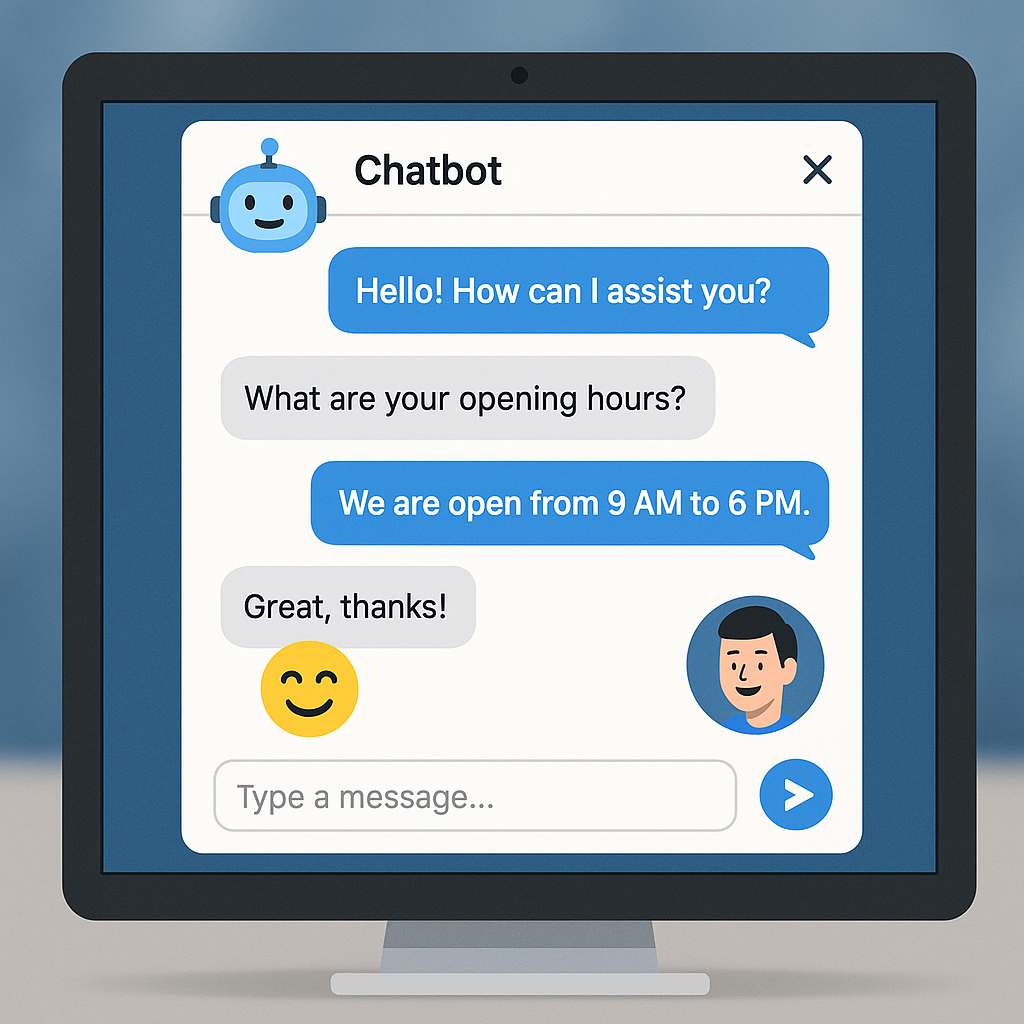
Customer Service Chatbots
Another popular way to use AI is through chatbots. Many companies employ these friendly online helpers to handle customer inquiries. Instead of waiting on hold for a human representative, a customer can get immediate answers to their questions through a chatbot. This not only improves customer satisfaction but also allows human employees to tackle more complex issues that need their specialized knowledge.
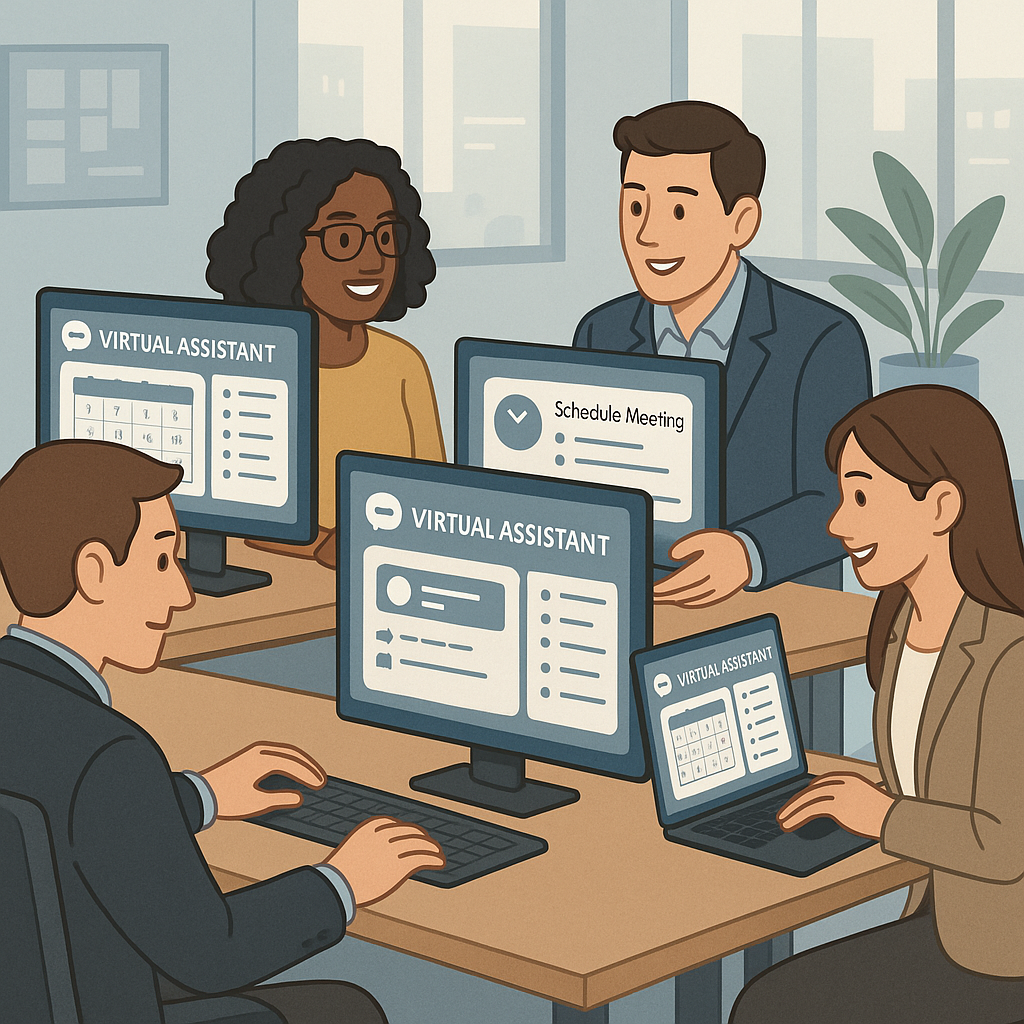
Personal Virtual Assistants in the Office
Businesses are also using AI to assist employees in their daily tasks. Virtual assistants can help schedule meetings, send reminders, and manage emails, leading to a smoother workflow. By taking care of these administrative tasks, AI helps employees concentrate on what’s truly important—driving innovation and success!
Facing Challenges with AI Implementation
Of course, adopting AI in the workplace doesn’t come without its challenges. Some common concerns include job displacement and the ethical implications of using AI. Employees might worry about potential job loss, while businesses need to ensure they use AI tools responsibly.
However, the key is to view AI as an ally rather than a competitor. By allowing AI to handle routine tasks, companies can empower their employees to take on more meaningful roles that utilize their unique strengths. Learn more about the significance of tailored technology solutions in our post on Custom Software Development.
The Future of AI in the Workplace
As technology advances, the future of AI in the workplace looks bright. We can expect even more innovative solutions that will enable businesses to maximize productivity and foster creativity. AI may further evolve to support teams in decision-making and resource management, making it an essential tool for every type of organization.
As an employee or a business owner, embracing this AI-powered future can lead to exciting opportunities. It’s like having a smart assistant that not only understands your needs but also helps you uncover new paths to success.
In conclusion, AI is playing a pivotal role in maximizing the impact of technology in workplaces today. Its ability to enhance productivity, improve decision-making, and increase employee engagement makes it an irreplaceable asset. By adopting AI technology and treating it as a helpful partner, businesses can achieve more while keeping their employees happy and fulfilled.
So, whether you’re a startup founder or a small business owner, consider exploring how AI can transform your operations. In the fast-paced world of technology, those willing to adapt will surely thrive! Taking the first step toward AI integration could be the key to your company’s success and happiness in the workplace.