

Have you ever noticed how search engines seem to understand what we mean, not just the exact words we type? It’s like they read our minds a little! That’s because many search engines now use something called semantic search optimization. This fancy term means making your content easier for AI-powered search tools to understand the real meaning behind your words, not just matching keywords.
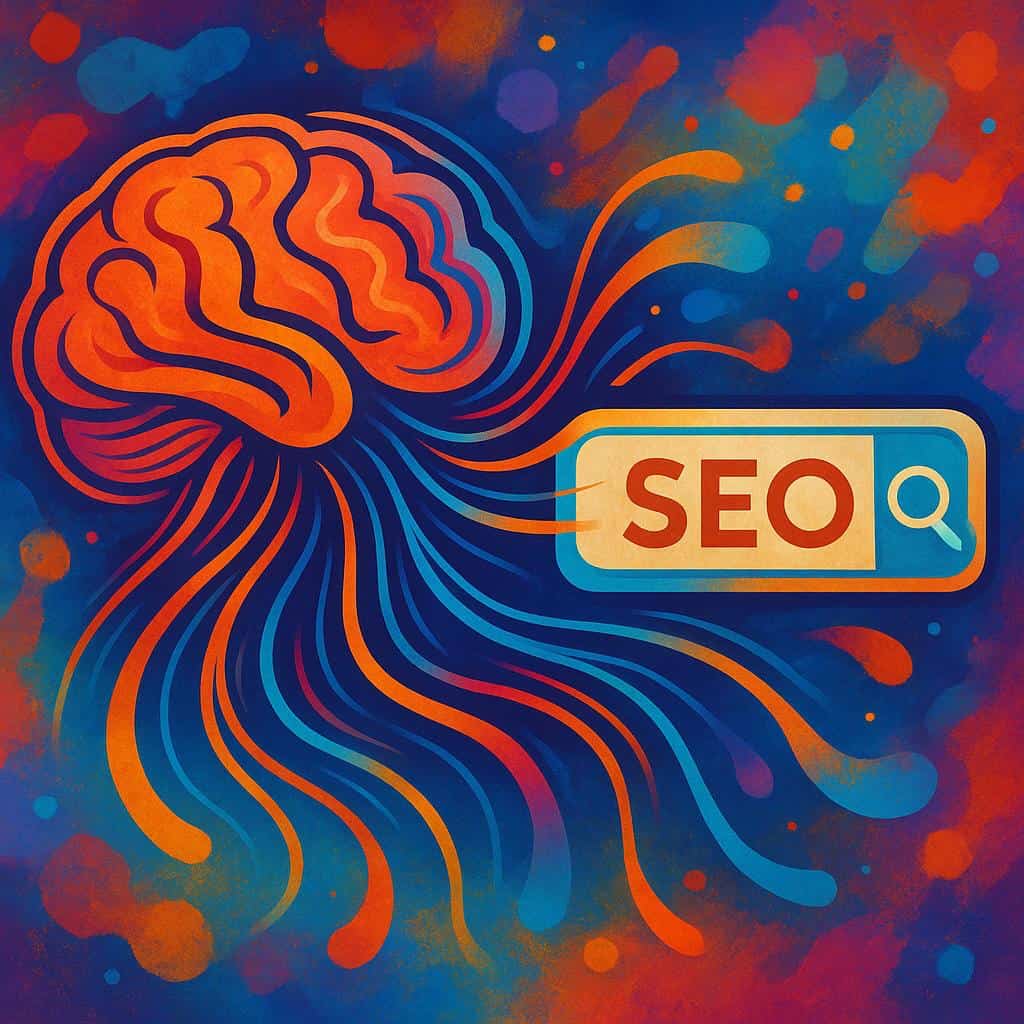
Gone are the days when just stuffing keywords would help your website show up. Today, search engines and answer engines want clear, trustworthy, and meaningful content. It’s a big shift, and it’s changing how websites get noticed in the age of AI overviews and voice searches. Knowing how to use semantic search optimization and answer engine optimization (AEO) is like having a secret superpower to get your content seen and trusted by these smart AI helpers.
If that sounds technical, don’t worry. Think of it like telling a story in the clearest way so your smart robot friend understands and shares it with others. Let’s explore what semantic search optimization means and how you can use it to shine in 2026’s search world.
Think Like Your Audience: Understanding What They Really Want
When people search for something, they usually have a clear idea in their minds. Maybe they want to know how to bake a cake or find the best running shoes. Semantic search optimization means helping search engines understand these deeper ideas and feelings behind words.
For insights on how AI is changing consumer behavior and enhancing content strategies, check out our detailed analysis on AI Consumer Behavior Insights.
Instead of focusing only on exact keywords like “running shoes,” semantic SEO looks at what the person really wants — is it comfort, style, or price? This way, AI-powered search tools can match your content to what the user truly needs, not just the words they type. It’s like having a chat where you listen carefully to the whole idea, not just the keywords.
Your content should also be clear and organized. Writing with semantic search optimization in mind means using natural language that explains ideas well. For example, if your article is about “answer engine optimization,” explain what that means in simple terms so AI can easily pick up the topic and related concepts.
Make Your Content Easy for AI to Understand and Use
Answer engine optimization (AEO) is all about arranging your content so AI machines can easily find the best answers. Think of it like setting up your room so your friends can find things quickly. AI engines like Google AI Overviews or voice assistants want clear, trustworthy answers that they can pull directly from your page.
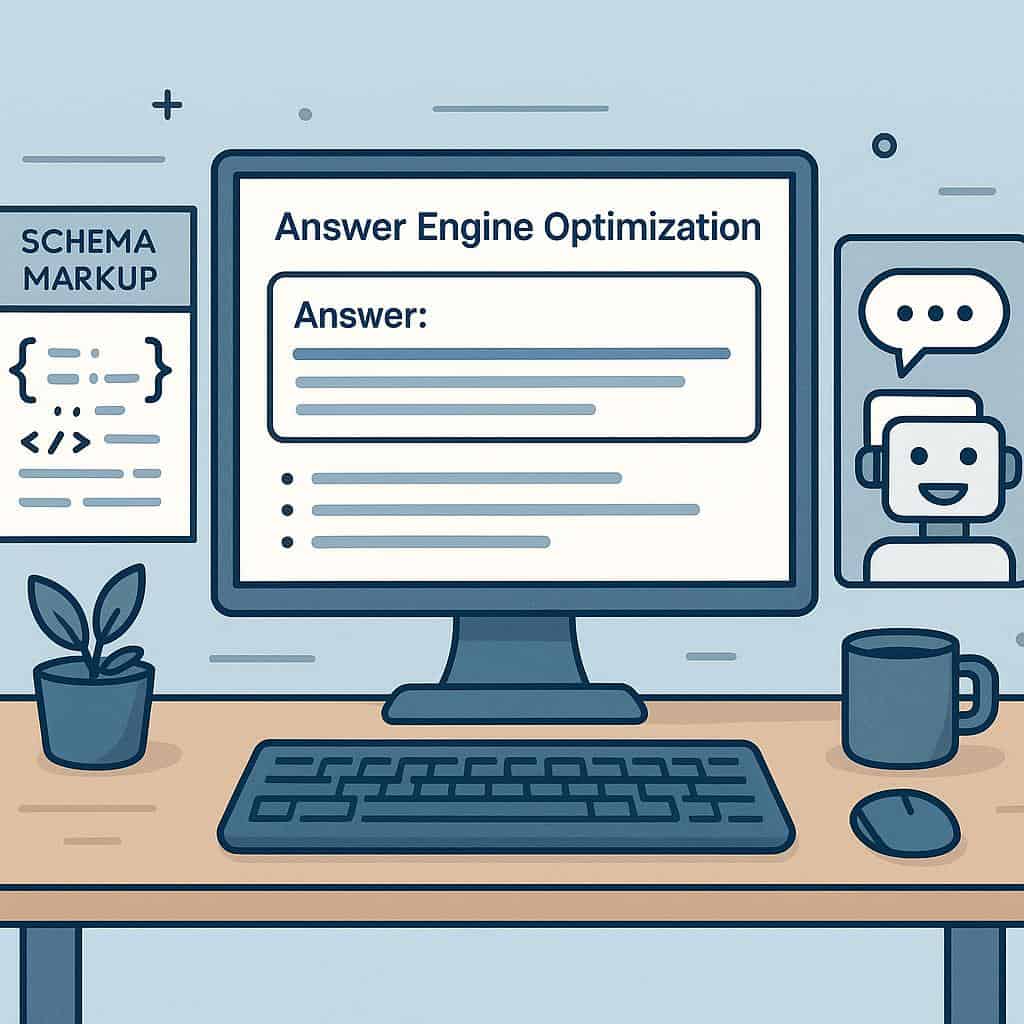
To do this, your content should be concise and well-structured. Start with a clear answer and then add helpful details or examples. This “answer-first content” style works great because it gives AI what it needs right away. Using schema markup and structured data is another helpful trick. This is a behind-the-scenes code that tells AI exactly what your content means — like labeling boxes so everyone knows what’s inside.
Don’t forget about trust! AI pays attention to EEAT signals — that’s Experience, Expertise, Authority, and Trustworthiness. Showing who you are, your qualifications, and real evidence like testimonials helps AI decide your content is reliable. When your pages have strong trust signals, they’re more likely to be chosen for zero-click results, where users get their answers without clicking any links.
Connect Related Ideas Clearly to Build Authority
Imagine if every chapter in a book talked about random things without connecting ideas. It would be confusing, right? That’s why linking related content on your website helps both people and AI understand the full story. Semantic internal linking means connecting pages and topics with descriptive links.
When your website uses entity-based SEO, it focuses on important things or concepts – like people, brands, or products – and connects them in a way AI can follow easily. Organizing your website in a pillar-cluster structure, where one main page (the pillar) covers a broad topic and smaller pages (clusters) support it, helps build deeper topical authority.
This approach helps search engines see your site as a reliable expert on a subject. For example, if your pillar page is about “semantic search optimization,” your cluster pages might cover related topics like “schema markup,” “voice search optimization,” or “EEAT signals.” This interconnected system makes your content stronger and easier for AI to trust and feature.
Keep Your Content Fresh and Add Helpful Videos and Images
AI tools love fresh content. Old or outdated information can make your content seem less trustworthy. Regularly updating your articles, statistics, and examples shows both users and AI that your site stays current.
Adding videos and images is another smart move. Visual content not only helps people understand better but also sends strong signals of expertise and authenticity to AI. When you use semantic metadata—like descriptive alt text for images and transcripts for videos—you make it easier for AI to read and include your multimedia in answers.
For instance, a video explaining “answer engine optimization tips” accompanied by a transcript and proper schema markup can boost your chances of showing up in AI Overviews or featured snippets. This multimedia content becomes part of your content ecosystem, strengthening your overall visibility.
Prepare Your Website’s Tech Side for AI Search Success
Good content is important, but your website’s technical health matters just as much. Technical SEO lays the foundation for semantic search optimization to work. Fast site speed, mobile-friendliness, and clean, organized HTML help AI crawlers explore and understand your pages without trouble.
Using semantic tags and proper indexing ensures your content is AI-readable. Structured data like FAQ and HowTo schemas act like a map for AI, pointing out where clear answers are. It’s like giving AI a tour guide so it can quickly find what it needs.
Also, keeping your brand and entity information consistent throughout your website and digital ecosystem helps avoid confusion. AI loves brands that show up clearly and consistently across the web. Partnering with agencies that specialize in AEO or using tools to audit your site can make this easier.
Watch What Success Looks Like and Keep Improving
Measuring success with semantic search optimization goes beyond just checking how much traffic your site gets. In 2026, it’s about understanding how often AI mentions or cites your brand in answers.
Look for AI visibility metrics like citation frequency and referral traffic from AI sources. Pay attention to the tone or sentiment of those citations — are they positive and authoritative? Using tools like Google Analytics 4 or AI visibility trackers can help monitor these new kinds of measurements.
Knowing what AI prefers means you can keep improving your content for better trust and clarity. SEO and AEO aren’t one-time jobs; they require ongoing attention as AI search tools evolve.
Semantic search optimization and answer engine optimization together open exciting doors for your content to be seen, trusted, and chosen by AI-powered search engines. By writing clearly, organizing your ideas smartly, using helpful multimedia, and making sure your site is tech-ready, you help both people and machines find your best answers quickly.
This new way of thinking about search is more than an update—it’s a shift toward a future where trust and clarity win. By embracing semantic SEO and AEO techniques now, you set yourself up to be a go-to source in the coming AI-driven world.
Take a moment to look at your content with fresh eyes. Could your words be clearer? Could your site be easier for AI to understand? Small changes today can make a big difference tomorrow. Stay curious, keep helping your visitors with honest answers, and watch your presence grow in the amazing age of AI-powered search.